Rabbit Color Vision
Rabbits possess dichromatic vision, meaning they do not perceive the full spectrum of colors that humans do. Their eyes contain two types of cone cells, photoreceptors responsible for color detection. They primarily see the world in shades of blue and green, lacking the ability to perceive red or colors that rely on red wavelengths.
Find out the fascinating capabilities of a rabbit's vision and whether they are able to perceive different colors in their environment.
Also, we have excellent color vision, a trait that helped our ancestors to find ripe fruit and tasty flowers in the forest canopy. On the other hand, the rabbit visual system is designed.
Rabbit Eye as compared to Human Eye The retinas in the eyes have photoreceptor cells known as rods and cones. On one side, rods help in scotopic vision (can differentiate light and dark shades), and cones help in photopic vision (can differentiate colors). Bunnies have a higher ratio of rods to cones than humans, which helps them catch the low.
What Colors Can Rabbits See? Rabbit Vision Vs. Human Vision Explained ...

Find out the fascinating capabilities of a rabbit's vision and whether they are able to perceive different colors in their environment.
Understanding rabbits' color vision has practical implications for rabbit owners. By choosing appropriate colors for toys, bedding, and enclosures, owners can create a comfortable and stimulating environment for their pets. Color Preferences Rabbits have distinct color preferences. They tend to favor blue, green, and yellow hues.
Specifically, how do rabbits see colors? In this article, we'll delve into the fascinating world of rabbit vision, exploring their color perception, visual acuity, and how they process visual information. Color Vision in Rabbits: A Brief Overview Rabbits, like many other animals, have a different type of color vision compared to humans.
Rabbits possess dichromatic vision, meaning they do not perceive the full spectrum of colors that humans do. Their eyes contain two types of cone cells, photoreceptors responsible for color detection. They primarily see the world in shades of blue and green, lacking the ability to perceive red or colors that rely on red wavelengths.
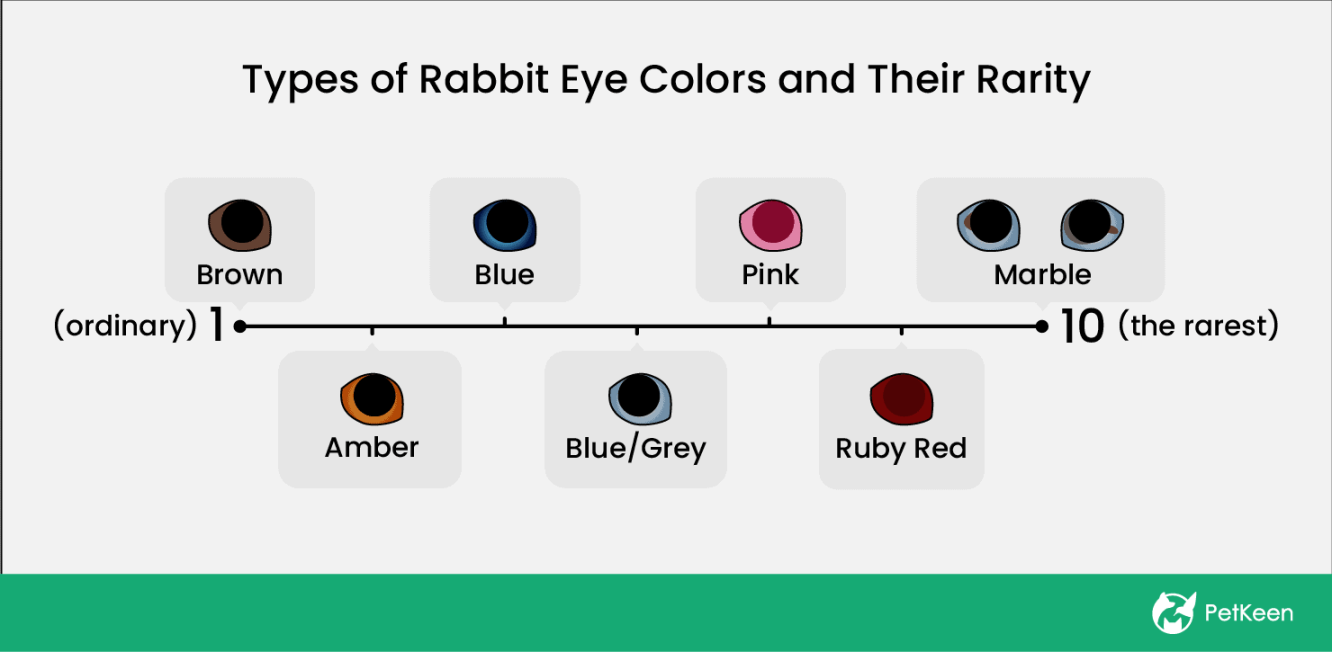
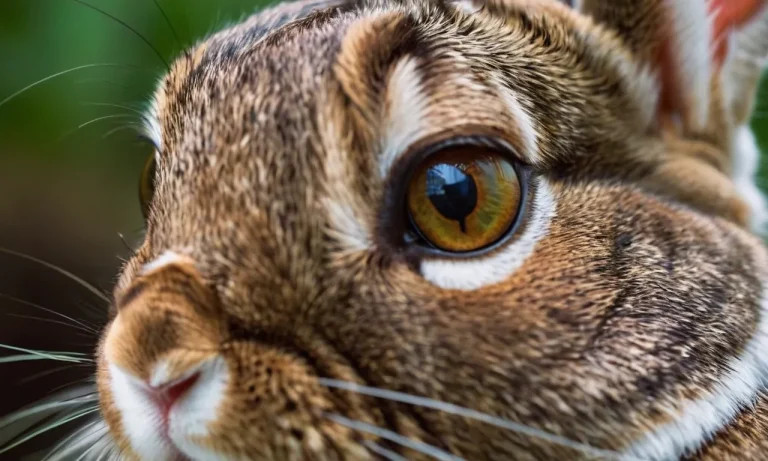
What Color Are Rabbit Eyes? A Guide To Rabbit Eye Colors | Rabbits Pedia
Also, we have excellent color vision, a trait that helped our ancestors to find ripe fruit and tasty flowers in the forest canopy. On the other hand, the rabbit visual system is designed.
Learn all about how rabbits see the world. Can bunnies see colour? Can rabbits see in the dark? How good is their eyesight? Answers to all these and more.
Rabbits possess dichromatic vision, meaning they do not perceive the full spectrum of colors that humans do. Their eyes contain two types of cone cells, photoreceptors responsible for color detection. They primarily see the world in shades of blue and green, lacking the ability to perceive red or colors that rely on red wavelengths.
Understanding rabbits' color vision has practical implications for rabbit owners. By choosing appropriate colors for toys, bedding, and enclosures, owners can create a comfortable and stimulating environment for their pets. Color Preferences Rabbits have distinct color preferences. They tend to favor blue, green, and yellow hues.
What Colours Can Rabbits See

Find out the fascinating capabilities of a rabbit's vision and whether they are able to perceive different colors in their environment.
Learn all about how rabbits see the world. Can bunnies see colour? Can rabbits see in the dark? How good is their eyesight? Answers to all these and more.
Specifically, how do rabbits see colors? In this article, we'll delve into the fascinating world of rabbit vision, exploring their color perception, visual acuity, and how they process visual information. Color Vision in Rabbits: A Brief Overview Rabbits, like many other animals, have a different type of color vision compared to humans.
Rabbits have dichromatic color vision, meaning that they have two types of functioning color receptors, called cone cells, in their eyes. While humans can observe a combination of red, blue and green, rabbits can only observe two colors: blue and green.
Rabbit Vision Vs. Human Vision - What Do Rabbits See?

Also, we have excellent color vision, a trait that helped our ancestors to find ripe fruit and tasty flowers in the forest canopy. On the other hand, the rabbit visual system is designed.
Rabbit Eye as compared to Human Eye The retinas in the eyes have photoreceptor cells known as rods and cones. On one side, rods help in scotopic vision (can differentiate light and dark shades), and cones help in photopic vision (can differentiate colors). Bunnies have a higher ratio of rods to cones than humans, which helps them catch the low.
Understanding rabbits' color vision has practical implications for rabbit owners. By choosing appropriate colors for toys, bedding, and enclosures, owners can create a comfortable and stimulating environment for their pets. Color Preferences Rabbits have distinct color preferences. They tend to favor blue, green, and yellow hues.
Specifically, how do rabbits see colors? In this article, we'll delve into the fascinating world of rabbit vision, exploring their color perception, visual acuity, and how they process visual information. Color Vision in Rabbits: A Brief Overview Rabbits, like many other animals, have a different type of color vision compared to humans.
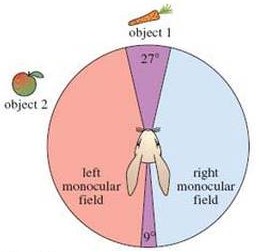
A Rabbit's Vision
With dichromatic color vision, rabbit eyes have two types of cone cells or functioning color receptors. This means that rabbits can see blue and green, and the other colors are gray.
Find out the fascinating capabilities of a rabbit's vision and whether they are able to perceive different colors in their environment.
Specifically, how do rabbits see colors? In this article, we'll delve into the fascinating world of rabbit vision, exploring their color perception, visual acuity, and how they process visual information. Color Vision in Rabbits: A Brief Overview Rabbits, like many other animals, have a different type of color vision compared to humans.
Learn all about how rabbits see the world. Can bunnies see colour? Can rabbits see in the dark? How good is their eyesight? Answers to all these and more.
Rabbit Vision Vs. Human Vision - What Do Rabbits See?

Rabbits possess dichromatic vision, meaning they do not perceive the full spectrum of colors that humans do. Their eyes contain two types of cone cells, photoreceptors responsible for color detection. They primarily see the world in shades of blue and green, lacking the ability to perceive red or colors that rely on red wavelengths.
1. Rabbits have dichromatic color vision, which means they can see a limited range of colors compared to humans. They are able to see blue and green colors, but have trouble distinguishing between red and orange hues.
Also, we have excellent color vision, a trait that helped our ancestors to find ripe fruit and tasty flowers in the forest canopy. On the other hand, the rabbit visual system is designed.
Rabbits have dichromatic color vision, meaning that they have two types of functioning color receptors, called cone cells, in their eyes. While humans can observe a combination of red, blue and green, rabbits can only observe two colors: blue and green.
Rabbit Vision Vs. Human Vision - What Do Rabbits See?

Learn all about how rabbits see the world. Can bunnies see colour? Can rabbits see in the dark? How good is their eyesight? Answers to all these and more.
Find out the fascinating capabilities of a rabbit's vision and whether they are able to perceive different colors in their environment.
Rabbit Eye as compared to Human Eye The retinas in the eyes have photoreceptor cells known as rods and cones. On one side, rods help in scotopic vision (can differentiate light and dark shades), and cones help in photopic vision (can differentiate colors). Bunnies have a higher ratio of rods to cones than humans, which helps them catch the low.
Rabbits have dichromatic color vision, meaning that they have two types of functioning color receptors, called cone cells, in their eyes. While humans can observe a combination of red, blue and green, rabbits can only observe two colors: blue and green.
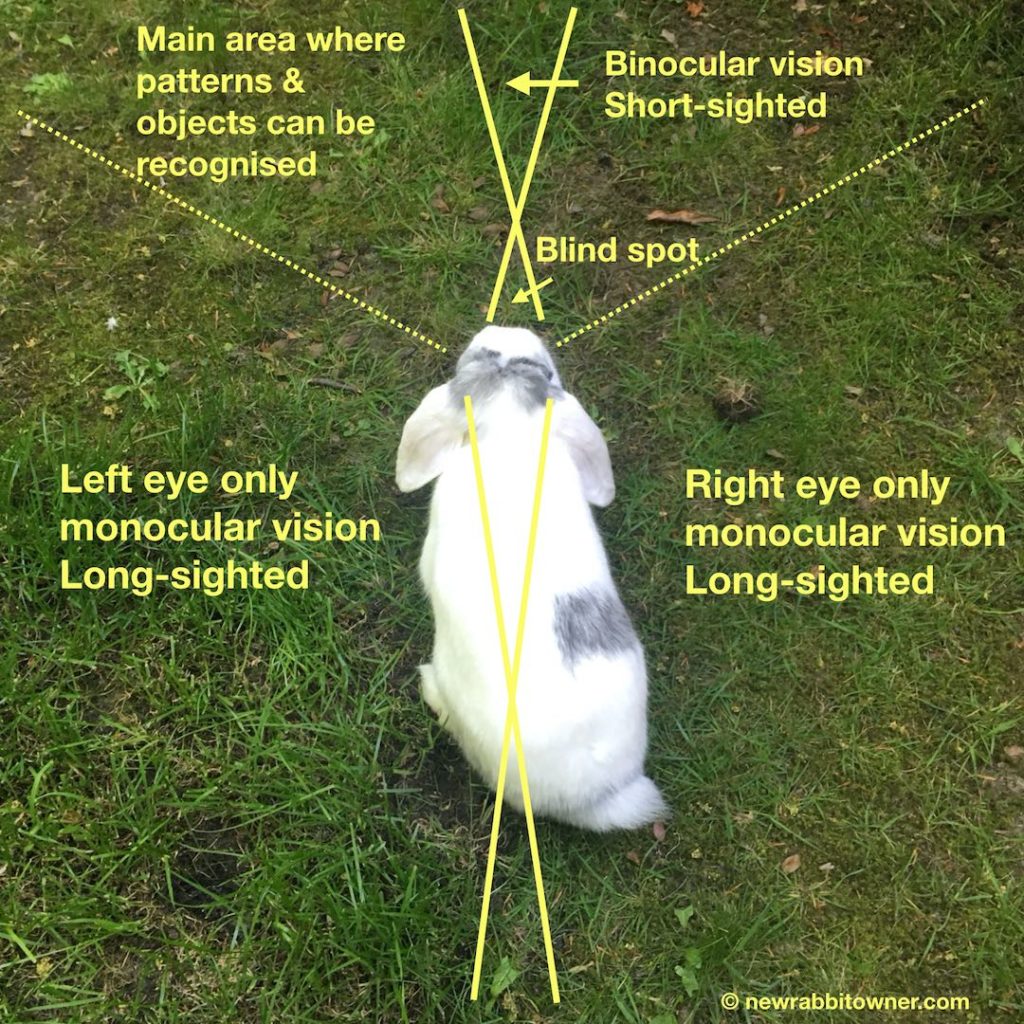
How Rabbits See The World: In-depth Guide - New Rabbit Owner
1. Rabbits have dichromatic color vision, which means they can see a limited range of colors compared to humans. They are able to see blue and green colors, but have trouble distinguishing between red and orange hues.
Rabbits possess dichromatic vision, meaning they do not perceive the full spectrum of colors that humans do. Their eyes contain two types of cone cells, photoreceptors responsible for color detection. They primarily see the world in shades of blue and green, lacking the ability to perceive red or colors that rely on red wavelengths.
Specifically, how do rabbits see colors? In this article, we'll delve into the fascinating world of rabbit vision, exploring their color perception, visual acuity, and how they process visual information. Color Vision in Rabbits: A Brief Overview Rabbits, like many other animals, have a different type of color vision compared to humans.
With dichromatic color vision, rabbit eyes have two types of cone cells or functioning color receptors. This means that rabbits can see blue and green, and the other colors are gray.
A Rabbit's Vision
Specifically, how do rabbits see colors? In this article, we'll delve into the fascinating world of rabbit vision, exploring their color perception, visual acuity, and how they process visual information. Color Vision in Rabbits: A Brief Overview Rabbits, like many other animals, have a different type of color vision compared to humans.
Find out the fascinating capabilities of a rabbit's vision and whether they are able to perceive different colors in their environment.
Understanding rabbits' color vision has practical implications for rabbit owners. By choosing appropriate colors for toys, bedding, and enclosures, owners can create a comfortable and stimulating environment for their pets. Color Preferences Rabbits have distinct color preferences. They tend to favor blue, green, and yellow hues.
With dichromatic color vision, rabbit eyes have two types of cone cells or functioning color receptors. This means that rabbits can see blue and green, and the other colors are gray.
What Colors Can Rabbits See? Rabbit Vision Vs Human Vision Explained 2022

Also, we have excellent color vision, a trait that helped our ancestors to find ripe fruit and tasty flowers in the forest canopy. On the other hand, the rabbit visual system is designed.
With dichromatic color vision, rabbit eyes have two types of cone cells or functioning color receptors. This means that rabbits can see blue and green, and the other colors are gray.
Rabbits possess dichromatic vision, meaning they do not perceive the full spectrum of colors that humans do. Their eyes contain two types of cone cells, photoreceptors responsible for color detection. They primarily see the world in shades of blue and green, lacking the ability to perceive red or colors that rely on red wavelengths.
Find out the fascinating capabilities of a rabbit's vision and whether they are able to perceive different colors in their environment.
What Colors Can Rabbits See? Rabbit Vision Vs. Human Vision Explained ...
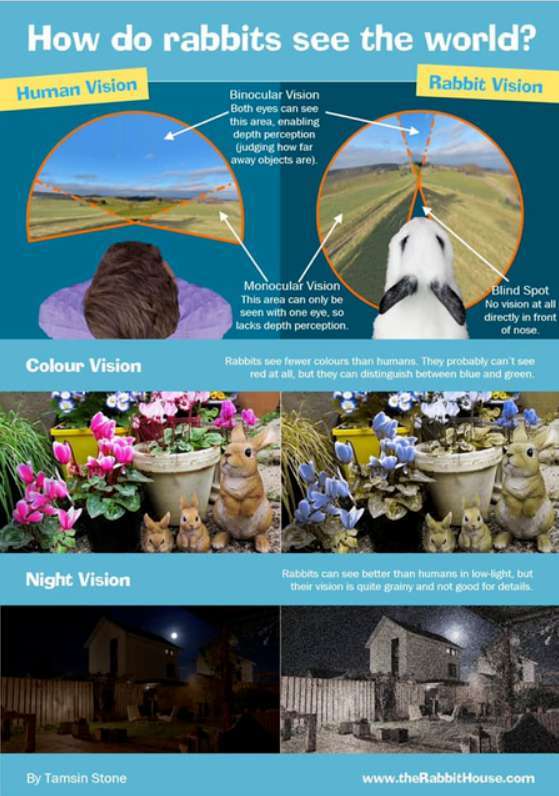
Understanding rabbits' color vision has practical implications for rabbit owners. By choosing appropriate colors for toys, bedding, and enclosures, owners can create a comfortable and stimulating environment for their pets. Color Preferences Rabbits have distinct color preferences. They tend to favor blue, green, and yellow hues.
Rabbits possess dichromatic vision, meaning they do not perceive the full spectrum of colors that humans do. Their eyes contain two types of cone cells, photoreceptors responsible for color detection. They primarily see the world in shades of blue and green, lacking the ability to perceive red or colors that rely on red wavelengths.
With dichromatic color vision, rabbit eyes have two types of cone cells or functioning color receptors. This means that rabbits can see blue and green, and the other colors are gray.
Learn all about how rabbits see the world. Can bunnies see colour? Can rabbits see in the dark? How good is their eyesight? Answers to all these and more.
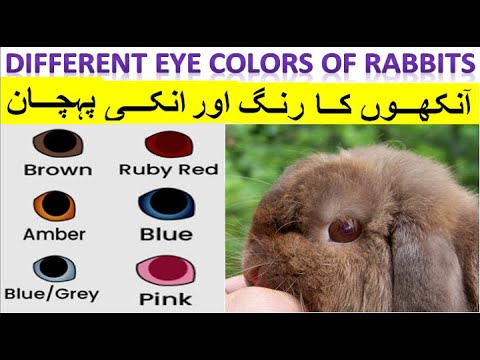
Seven (7) Different Eye Colors Of Rabbits And Their Recognition - YouTube
Also, we have excellent color vision, a trait that helped our ancestors to find ripe fruit and tasty flowers in the forest canopy. On the other hand, the rabbit visual system is designed.
Rabbits possess dichromatic vision, meaning they do not perceive the full spectrum of colors that humans do. Their eyes contain two types of cone cells, photoreceptors responsible for color detection. They primarily see the world in shades of blue and green, lacking the ability to perceive red or colors that rely on red wavelengths.
Specifically, how do rabbits see colors? In this article, we'll delve into the fascinating world of rabbit vision, exploring their color perception, visual acuity, and how they process visual information. Color Vision in Rabbits: A Brief Overview Rabbits, like many other animals, have a different type of color vision compared to humans.
With dichromatic color vision, rabbit eyes have two types of cone cells or functioning color receptors. This means that rabbits can see blue and green, and the other colors are gray.
The Incredible Field Of Vision Of Rabbits - Berry Patch Farms
Also, we have excellent color vision, a trait that helped our ancestors to find ripe fruit and tasty flowers in the forest canopy. On the other hand, the rabbit visual system is designed.
Rabbits possess dichromatic vision, meaning they do not perceive the full spectrum of colors that humans do. Their eyes contain two types of cone cells, photoreceptors responsible for color detection. They primarily see the world in shades of blue and green, lacking the ability to perceive red or colors that rely on red wavelengths.
Find out the fascinating capabilities of a rabbit's vision and whether they are able to perceive different colors in their environment.
Specifically, how do rabbits see colors? In this article, we'll delve into the fascinating world of rabbit vision, exploring their color perception, visual acuity, and how they process visual information. Color Vision in Rabbits: A Brief Overview Rabbits, like many other animals, have a different type of color vision compared to humans.
What Colors Can Rabbits See? Rabbit Vision Vs. Human Vision Explained ...
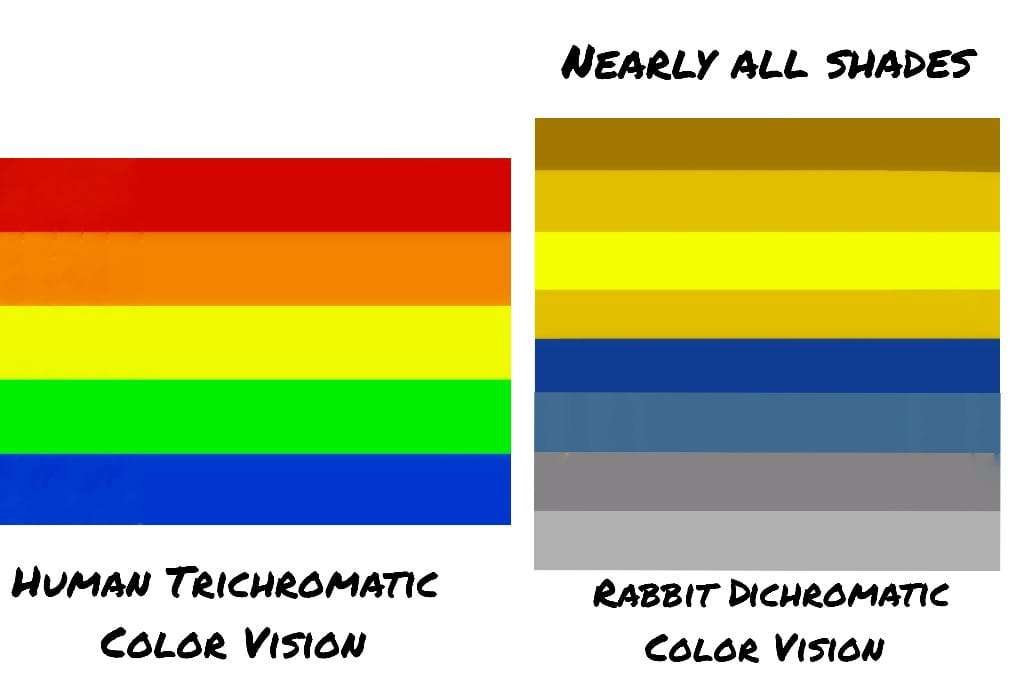
1. Rabbits have dichromatic color vision, which means they can see a limited range of colors compared to humans. They are able to see blue and green colors, but have trouble distinguishing between red and orange hues.
Specifically, how do rabbits see colors? In this article, we'll delve into the fascinating world of rabbit vision, exploring their color perception, visual acuity, and how they process visual information. Color Vision in Rabbits: A Brief Overview Rabbits, like many other animals, have a different type of color vision compared to humans.
Understanding rabbits' color vision has practical implications for rabbit owners. By choosing appropriate colors for toys, bedding, and enclosures, owners can create a comfortable and stimulating environment for their pets. Color Preferences Rabbits have distinct color preferences. They tend to favor blue, green, and yellow hues.
Rabbit Eye as compared to Human Eye The retinas in the eyes have photoreceptor cells known as rods and cones. On one side, rods help in scotopic vision (can differentiate light and dark shades), and cones help in photopic vision (can differentiate colors). Bunnies have a higher ratio of rods to cones than humans, which helps them catch the low.
A Rabbit's Vision
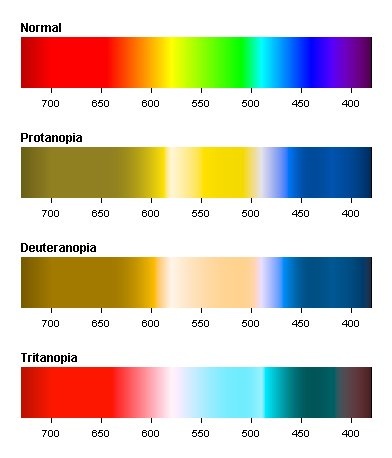
Rabbit Eye as compared to Human Eye The retinas in the eyes have photoreceptor cells known as rods and cones. On one side, rods help in scotopic vision (can differentiate light and dark shades), and cones help in photopic vision (can differentiate colors). Bunnies have a higher ratio of rods to cones than humans, which helps them catch the low.
Understanding rabbits' color vision has practical implications for rabbit owners. By choosing appropriate colors for toys, bedding, and enclosures, owners can create a comfortable and stimulating environment for their pets. Color Preferences Rabbits have distinct color preferences. They tend to favor blue, green, and yellow hues.
Also, we have excellent color vision, a trait that helped our ancestors to find ripe fruit and tasty flowers in the forest canopy. On the other hand, the rabbit visual system is designed.
With dichromatic color vision, rabbit eyes have two types of cone cells or functioning color receptors. This means that rabbits can see blue and green, and the other colors are gray.
Rabbits possess dichromatic vision, meaning they do not perceive the full spectrum of colors that humans do. Their eyes contain two types of cone cells, photoreceptors responsible for color detection. They primarily see the world in shades of blue and green, lacking the ability to perceive red or colors that rely on red wavelengths.
1. Rabbits have dichromatic color vision, which means they can see a limited range of colors compared to humans. They are able to see blue and green colors, but have trouble distinguishing between red and orange hues.
With dichromatic color vision, rabbit eyes have two types of cone cells or functioning color receptors. This means that rabbits can see blue and green, and the other colors are gray.
Learn all about how rabbits see the world. Can bunnies see colour? Can rabbits see in the dark? How good is their eyesight? Answers to all these and more.
Find out the fascinating capabilities of a rabbit's vision and whether they are able to perceive different colors in their environment.
Specifically, how do rabbits see colors? In this article, we'll delve into the fascinating world of rabbit vision, exploring their color perception, visual acuity, and how they process visual information. Color Vision in Rabbits: A Brief Overview Rabbits, like many other animals, have a different type of color vision compared to humans.
Understanding rabbits' color vision has practical implications for rabbit owners. By choosing appropriate colors for toys, bedding, and enclosures, owners can create a comfortable and stimulating environment for their pets. Color Preferences Rabbits have distinct color preferences. They tend to favor blue, green, and yellow hues.
Rabbit Eye as compared to Human Eye The retinas in the eyes have photoreceptor cells known as rods and cones. On one side, rods help in scotopic vision (can differentiate light and dark shades), and cones help in photopic vision (can differentiate colors). Bunnies have a higher ratio of rods to cones than humans, which helps them catch the low.
Also, we have excellent color vision, a trait that helped our ancestors to find ripe fruit and tasty flowers in the forest canopy. On the other hand, the rabbit visual system is designed.
Rabbits have dichromatic color vision, meaning that they have two types of functioning color receptors, called cone cells, in their eyes. While humans can observe a combination of red, blue and green, rabbits can only observe two colors: blue and green.