Groundhog Vs Prairie Dog
Prairie dogs and groundhogs exhibit notable differences in their preferred habitats, food sources, and social structures. Prairie dogs typically inhabit the open grasslands and prairies of western North America, extending from Canada down to Mexico.
Prairie dogs and groundhogs are both burrowing rodents, but prairie dogs are smaller and social animals that live in large colonies called towns, in North American grasslands, while groundhogs, also known as woodchucks, are larger and more solitary, living in wooded or semi.
Additionally, groundhogs are typically around 26 inches long and weigh up to nine pounds, while prairie dogs trail behind at 16 inches in length and weigh up to three pounds.
Prairie dogs have a slimmer body and a thin tail, while groundhogs have heavier coats and heavy-duty claws for burrowing and climbing trees. When it comes to behavior, prairie dogs live in colonies spread over large areas, while groundhogs typically burrow with only a few others.
Are Groundhogs Gophers And Prairie Dogs The Same Animal
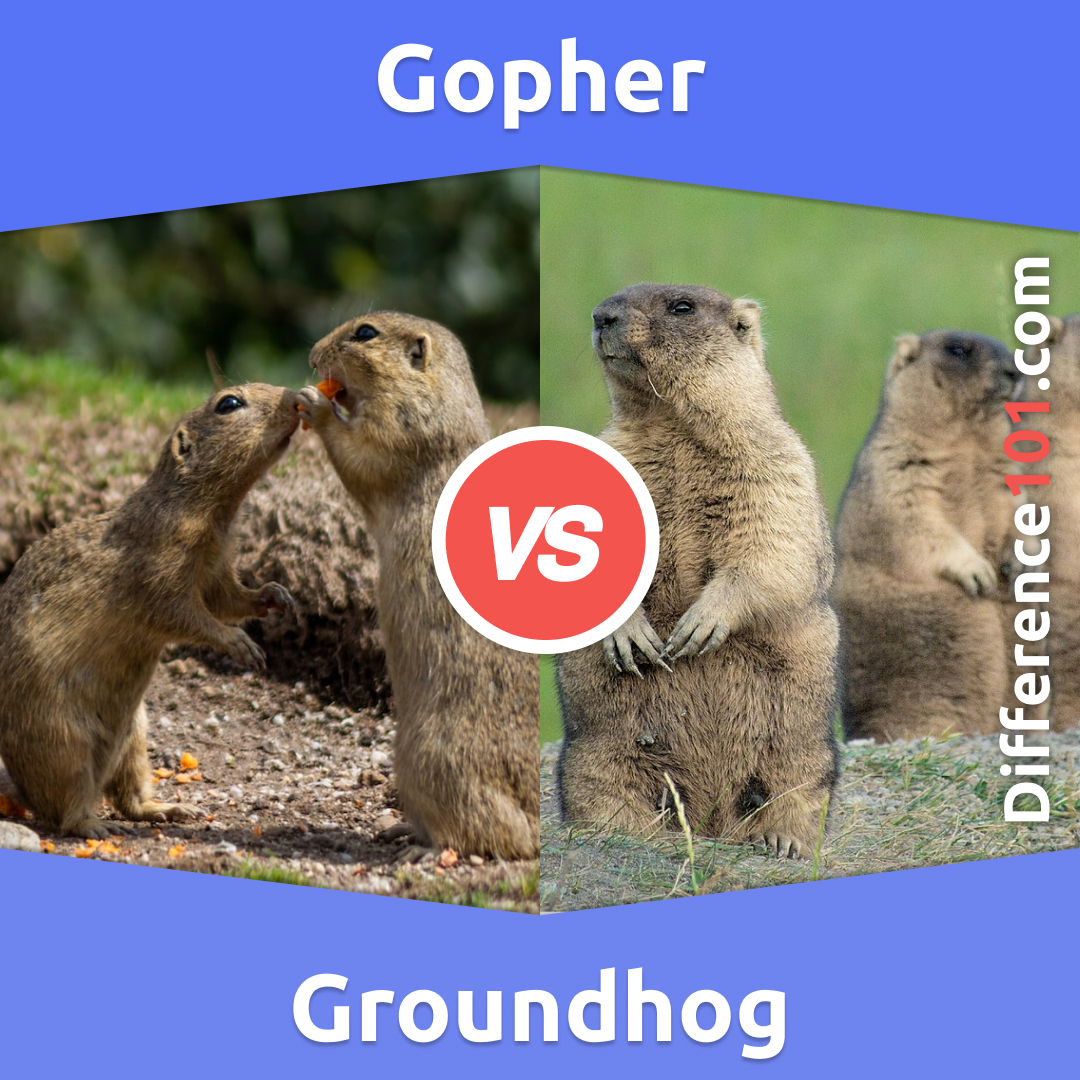
The prairie dog and groundhog, though similar in some respects, showcase remarkable differences in their social structures, behaviors, and ecological roles. From the highly social and communicative prairie dogs to the solitary and hibernation-adapted groundhogs, each species has evolved unique traits to thrive in their respective environments.
Prairie dogs and groundhogs are both burrowing rodents, but prairie dogs are smaller and social animals that live in large colonies called towns, in North American grasslands, while groundhogs, also known as woodchucks, are larger and more solitary, living in wooded or semi.
Groundhogs are 16 to 25 inches in total length including their short bushy tail. The most common of the five species of prairie dog is the black-tailed prairie dog. About the size of a rabbit, they are much smaller than a groundhog at about two to four pounds and 12 to 15 inches long.
Additionally, groundhogs are typically around 26 inches long and weigh up to nine pounds, while prairie dogs trail behind at 16 inches in length and weigh up to three pounds.
Marmot Vs Prairie Dog: 6 Key Differences - IMP WORLD
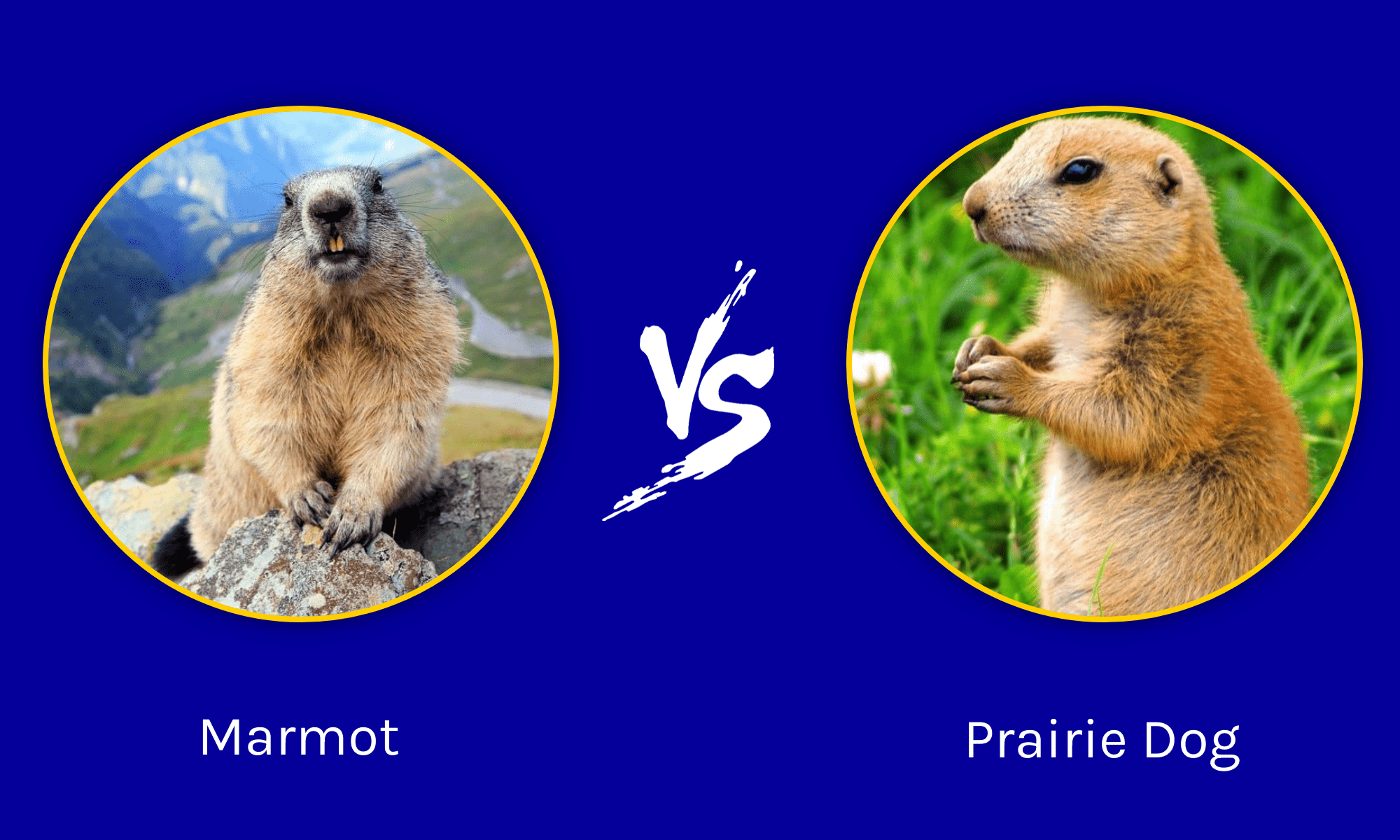
Prairie dogs and groundhogs exhibit notable differences in their preferred habitats, food sources, and social structures. Prairie dogs typically inhabit the open grasslands and prairies of western North America, extending from Canada down to Mexico.
Learn how to distinguish between groundhogs and prairie dogs, two similar-looking rodents that are often confused. Find out their physical appearance, behavior, diet, housing, health, legal, and training needs as pets.
Prairie dogs have a slimmer body and a thin tail, while groundhogs have heavier coats and heavy-duty claws for burrowing and climbing trees. When it comes to behavior, prairie dogs live in colonies spread over large areas, while groundhogs typically burrow with only a few others.
Groundhogs are 16 to 25 inches in total length including their short bushy tail. The most common of the five species of prairie dog is the black-tailed prairie dog. About the size of a rabbit, they are much smaller than a groundhog at about two to four pounds and 12 to 15 inches long.
Groundhog Vs Prairie Dog: The Ultimate Battle For Survival - Dog Show TV
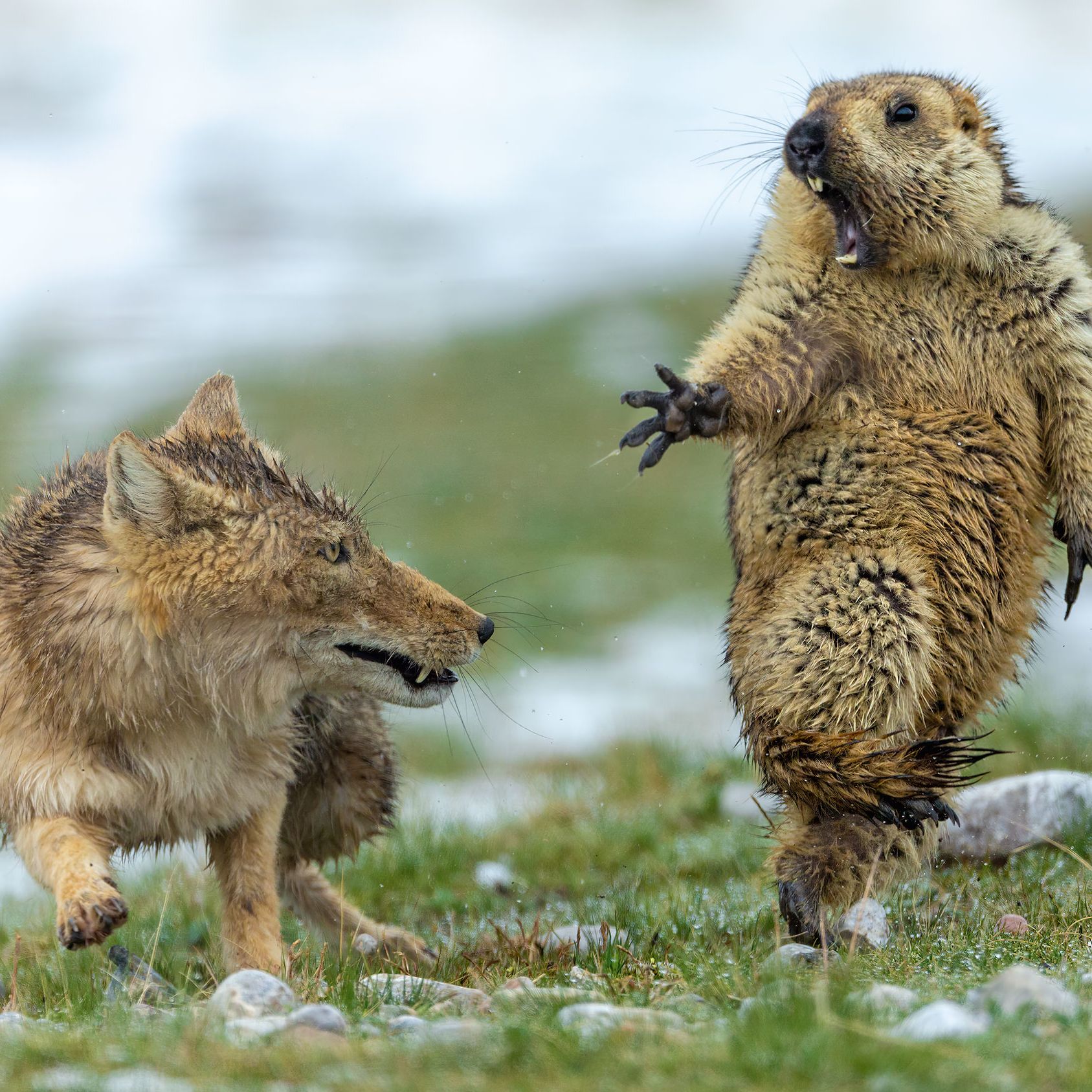
Learn how to distinguish between groundhogs and prairie dogs, two similar-looking rodents that are often confused. Find out their physical appearance, behavior, diet, housing, health, legal, and training needs as pets.
The prairie dog and groundhog, though similar in some respects, showcase remarkable differences in their social structures, behaviors, and ecological roles. From the highly social and communicative prairie dogs to the solitary and hibernation-adapted groundhogs, each species has evolved unique traits to thrive in their respective environments.
Prairie dogs and groundhogs exhibit notable differences in their preferred habitats, food sources, and social structures. Prairie dogs typically inhabit the open grasslands and prairies of western North America, extending from Canada down to Mexico.
Learn how to distinguish between Prairie Dogs and Groundhogs, two burrowing rodents native to North America. Compare their size, family, social behavior, hibernation, and more.
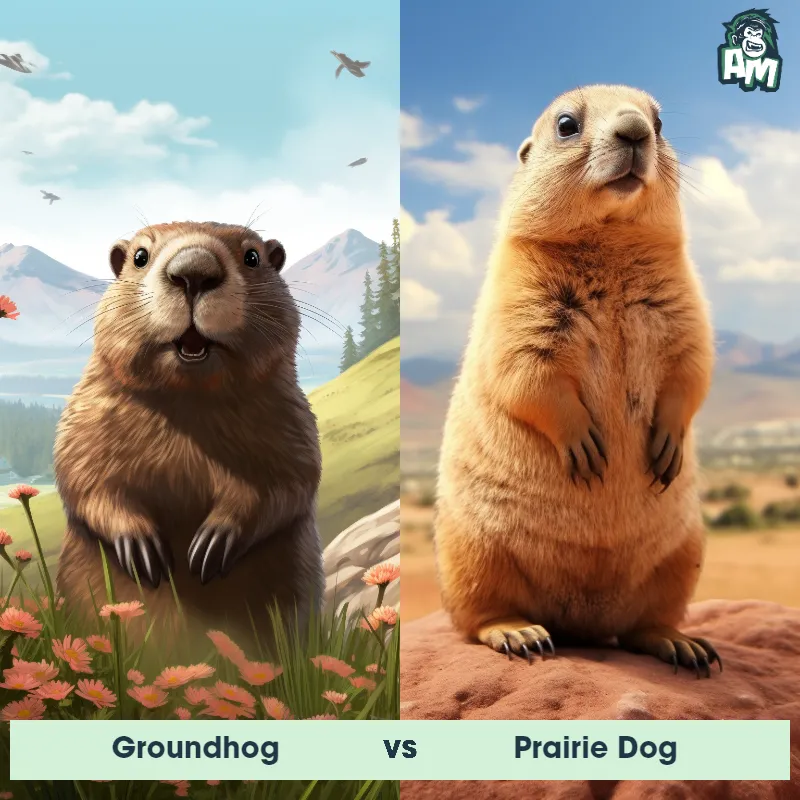
Additionally, groundhogs are typically around 26 inches long and weigh up to nine pounds, while prairie dogs trail behind at 16 inches in length and weigh up to three pounds.
Prairie dogs have a slimmer body and a thin tail, while groundhogs have heavier coats and heavy-duty claws for burrowing and climbing trees. When it comes to behavior, prairie dogs live in colonies spread over large areas, while groundhogs typically burrow with only a few others.
Learn how to distinguish between groundhogs and prairie dogs, two similar-looking rodents that are often confused. Find out their physical appearance, behavior, diet, housing, health, legal, and training needs as pets.
Prairie dogs and groundhogs exhibit notable differences in their preferred habitats, food sources, and social structures. Prairie dogs typically inhabit the open grasslands and prairies of western North America, extending from Canada down to Mexico.
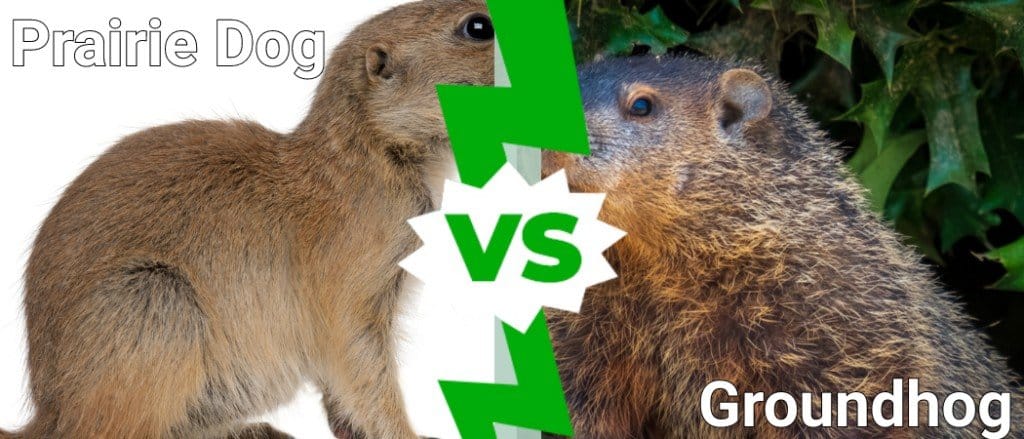
The main differences between a prairie dog and a groundhog lie in their size, their range, and their social structure. Let's explore the main differences quickly, then take a deep dive into all of the other differences between them. The most obvious difference between a prairie dog and a groundhog.
Learn how to distinguish between groundhogs and prairie dogs, two similar-looking rodents that are often confused. Find out their physical appearance, behavior, diet, housing, health, legal, and training needs as pets.
Groundhogs are 16 to 25 inches in total length including their short bushy tail. The most common of the five species of prairie dog is the black-tailed prairie dog. About the size of a rabbit, they are much smaller than a groundhog at about two to four pounds and 12 to 15 inches long.
Prairie dogs and groundhogs exhibit notable differences in their preferred habitats, food sources, and social structures. Prairie dogs typically inhabit the open grasslands and prairies of western North America, extending from Canada down to Mexico.
Are Groundhogs Gophers And Prairie Dogs The Same Animal

Prairie dogs and groundhogs are both burrowing rodents, but prairie dogs are smaller and social animals that live in large colonies called towns, in North American grasslands, while groundhogs, also known as woodchucks, are larger and more solitary, living in wooded or semi.
The prairie dog and groundhog, though similar in some respects, showcase remarkable differences in their social structures, behaviors, and ecological roles. From the highly social and communicative prairie dogs to the solitary and hibernation-adapted groundhogs, each species has evolved unique traits to thrive in their respective environments.
Learn how to distinguish between groundhogs and prairie dogs, two similar-looking rodents that are often confused. Find out their physical appearance, behavior, diet, housing, health, legal, and training needs as pets.
Prairie dogs have a slimmer body and a thin tail, while groundhogs have heavier coats and heavy-duty claws for burrowing and climbing trees. When it comes to behavior, prairie dogs live in colonies spread over large areas, while groundhogs typically burrow with only a few others.
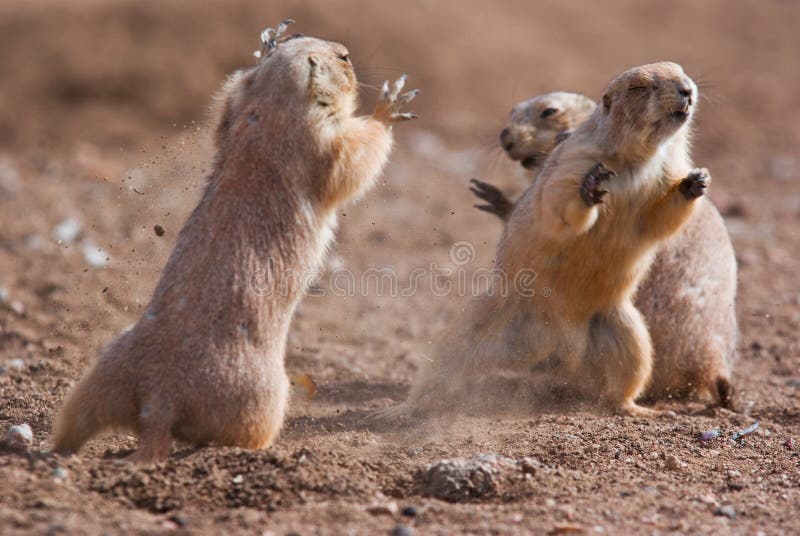
Learn how to distinguish between Prairie Dogs and Groundhogs, two burrowing rodents native to North America. Compare their size, family, social behavior, hibernation, and more.
Physical Distinctions Groundhogs are notably larger than prairie dogs. An adult groundhog weighs between 6 and 14 pounds and measures 16 to 26 inches in length, including its tail. Prairie dogs are considerably smaller, weighing 1 to 4 pounds and reaching lengths of 12 to 17 inches. Groundhogs have fur ranging from reddish-brown to dark brown or grizzled brownish-gray, often with a lighter.
The prairie dog and groundhog, though similar in some respects, showcase remarkable differences in their social structures, behaviors, and ecological roles. From the highly social and communicative prairie dogs to the solitary and hibernation-adapted groundhogs, each species has evolved unique traits to thrive in their respective environments.
Groundhogs are 16 to 25 inches in total length including their short bushy tail. The most common of the five species of prairie dog is the black-tailed prairie dog. About the size of a rabbit, they are much smaller than a groundhog at about two to four pounds and 12 to 15 inches long.
Can Prairie Dogs Climb Trees
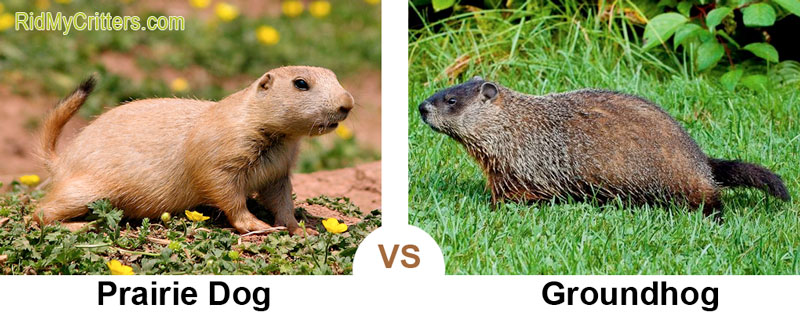
Learn how to distinguish between Prairie Dogs and Groundhogs, two burrowing rodents native to North America. Compare their size, family, social behavior, hibernation, and more.
Additionally, groundhogs are typically around 26 inches long and weigh up to nine pounds, while prairie dogs trail behind at 16 inches in length and weigh up to three pounds.
The prairie dog and groundhog, though similar in some respects, showcase remarkable differences in their social structures, behaviors, and ecological roles. From the highly social and communicative prairie dogs to the solitary and hibernation-adapted groundhogs, each species has evolved unique traits to thrive in their respective environments.
The main differences between a prairie dog and a groundhog lie in their size, their range, and their social structure. Let's explore the main differences quickly, then take a deep dive into all of the other differences between them. The most obvious difference between a prairie dog and a groundhog.
Meerkat Vs Prairie Dog: See Who Wins | Animal Matchup
Prairie dogs and groundhogs exhibit notable differences in their preferred habitats, food sources, and social structures. Prairie dogs typically inhabit the open grasslands and prairies of western North America, extending from Canada down to Mexico.
The prairie dog and groundhog, though similar in some respects, showcase remarkable differences in their social structures, behaviors, and ecological roles. From the highly social and communicative prairie dogs to the solitary and hibernation-adapted groundhogs, each species has evolved unique traits to thrive in their respective environments.
The main differences between a prairie dog and a groundhog lie in their size, their range, and their social structure. Let's explore the main differences quickly, then take a deep dive into all of the other differences between them. The most obvious difference between a prairie dog and a groundhog.
Learn how to distinguish between groundhogs and prairie dogs, two similar-looking rodents that are often confused. Find out their physical appearance, behavior, diet, housing, health, legal, and training needs as pets.
Are Groundhogs Gophers And Prairie Dogs The Same Animal

Prairie dogs and groundhogs are both burrowing rodents, but prairie dogs are smaller and social animals that live in large colonies called towns, in North American grasslands, while groundhogs, also known as woodchucks, are larger and more solitary, living in wooded or semi.
Prairie dogs have a slimmer body and a thin tail, while groundhogs have heavier coats and heavy-duty claws for burrowing and climbing trees. When it comes to behavior, prairie dogs live in colonies spread over large areas, while groundhogs typically burrow with only a few others.
Physical Distinctions Groundhogs are notably larger than prairie dogs. An adult groundhog weighs between 6 and 14 pounds and measures 16 to 26 inches in length, including its tail. Prairie dogs are considerably smaller, weighing 1 to 4 pounds and reaching lengths of 12 to 17 inches. Groundhogs have fur ranging from reddish-brown to dark brown or grizzled brownish-gray, often with a lighter.
Learn how to distinguish between groundhogs and prairie dogs, two similar-looking rodents that are often confused. Find out their physical appearance, behavior, diet, housing, health, legal, and training needs as pets.
Prairie Dog Vs Groundhog : The Ultimate Showdown
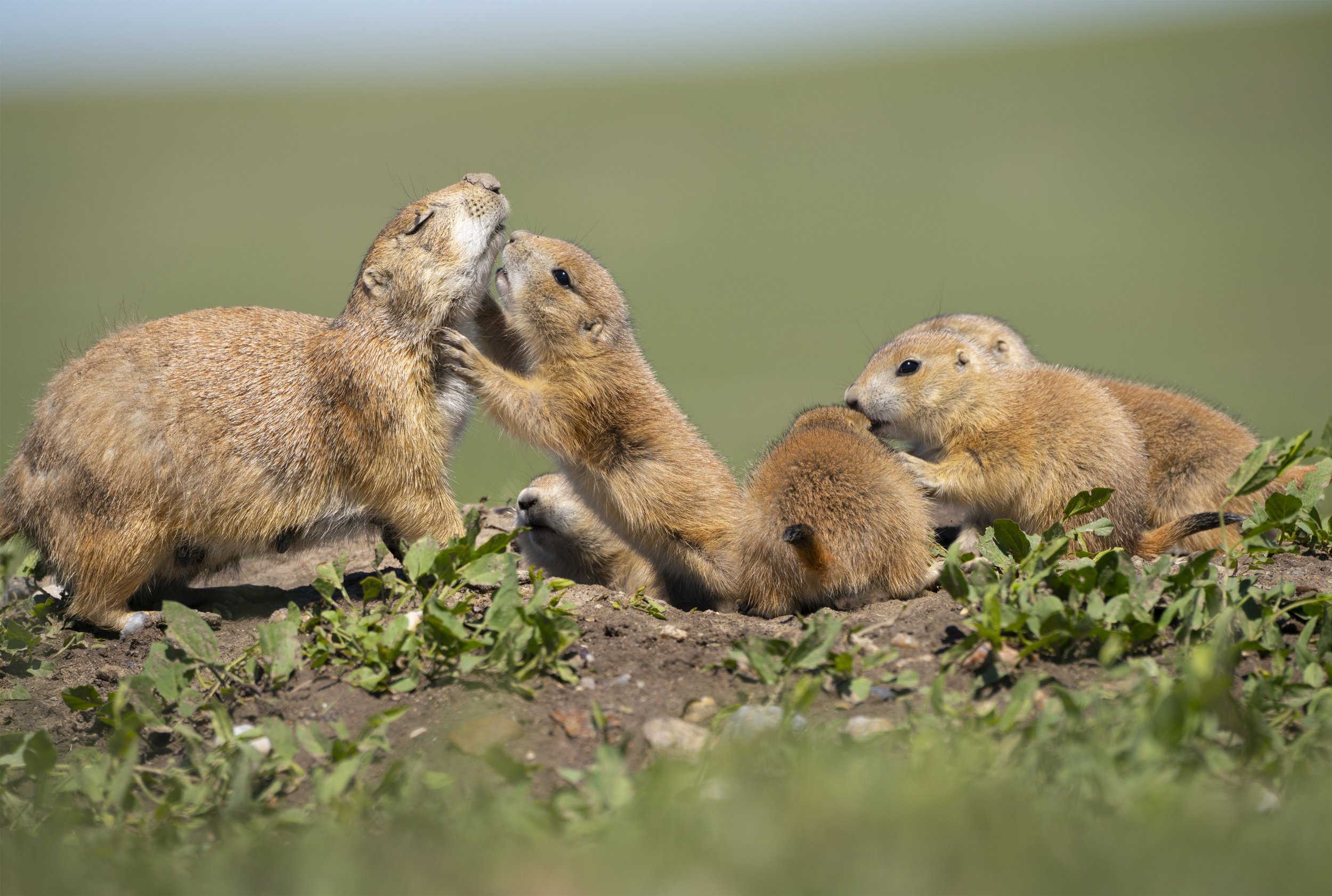
Prairie dogs and groundhogs exhibit notable differences in their preferred habitats, food sources, and social structures. Prairie dogs typically inhabit the open grasslands and prairies of western North America, extending from Canada down to Mexico.
The main differences between a prairie dog and a groundhog lie in their size, their range, and their social structure. Let's explore the main differences quickly, then take a deep dive into all of the other differences between them. The most obvious difference between a prairie dog and a groundhog.
Prairie dogs and groundhogs are both burrowing rodents, but prairie dogs are smaller and social animals that live in large colonies called towns, in North American grasslands, while groundhogs, also known as woodchucks, are larger and more solitary, living in wooded or semi.
Learn how to distinguish between Prairie Dogs and Groundhogs, two burrowing rodents native to North America. Compare their size, family, social behavior, hibernation, and more.
Groundhogs VS Prairie Dogs VS Gophers - A Comparison - Floofmania

Prairie dogs and groundhogs are both burrowing rodents, but prairie dogs are smaller and social animals that live in large colonies called towns, in North American grasslands, while groundhogs, also known as woodchucks, are larger and more solitary, living in wooded or semi.
Prairie dogs and groundhogs exhibit notable differences in their preferred habitats, food sources, and social structures. Prairie dogs typically inhabit the open grasslands and prairies of western North America, extending from Canada down to Mexico.
The prairie dog and groundhog, though similar in some respects, showcase remarkable differences in their social structures, behaviors, and ecological roles. From the highly social and communicative prairie dogs to the solitary and hibernation-adapted groundhogs, each species has evolved unique traits to thrive in their respective environments.
Prairie dogs have a slimmer body and a thin tail, while groundhogs have heavier coats and heavy-duty claws for burrowing and climbing trees. When it comes to behavior, prairie dogs live in colonies spread over large areas, while groundhogs typically burrow with only a few others.
Prairie Dog Vs Groundhog - IMP WORLD
Prairie dogs and groundhogs are both burrowing rodents, but prairie dogs are smaller and social animals that live in large colonies called towns, in North American grasslands, while groundhogs, also known as woodchucks, are larger and more solitary, living in wooded or semi.
The main differences between a prairie dog and a groundhog lie in their size, their range, and their social structure. Let's explore the main differences quickly, then take a deep dive into all of the other differences between them. The most obvious difference between a prairie dog and a groundhog.
Groundhogs are 16 to 25 inches in total length including their short bushy tail. The most common of the five species of prairie dog is the black-tailed prairie dog. About the size of a rabbit, they are much smaller than a groundhog at about two to four pounds and 12 to 15 inches long.
Prairie dogs and groundhogs exhibit notable differences in their preferred habitats, food sources, and social structures. Prairie dogs typically inhabit the open grasslands and prairies of western North America, extending from Canada down to Mexico.
Prairie Dog Vs Groundhog : The Ultimate Showdown
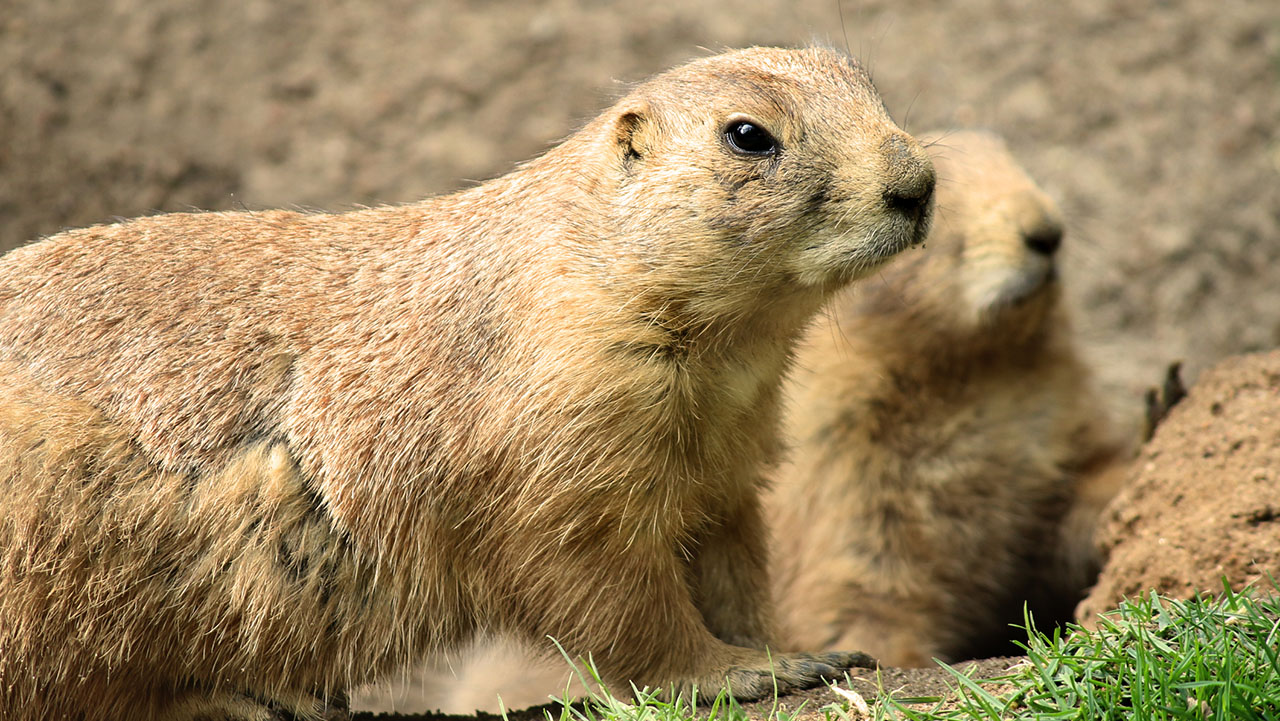
Learn how to distinguish between Prairie Dogs and Groundhogs, two burrowing rodents native to North America. Compare their size, family, social behavior, hibernation, and more.
Prairie dogs and groundhogs are both burrowing rodents, but prairie dogs are smaller and social animals that live in large colonies called towns, in North American grasslands, while groundhogs, also known as woodchucks, are larger and more solitary, living in wooded or semi.
Physical Distinctions Groundhogs are notably larger than prairie dogs. An adult groundhog weighs between 6 and 14 pounds and measures 16 to 26 inches in length, including its tail. Prairie dogs are considerably smaller, weighing 1 to 4 pounds and reaching lengths of 12 to 17 inches. Groundhogs have fur ranging from reddish-brown to dark brown or grizzled brownish-gray, often with a lighter.
Groundhogs are 16 to 25 inches in total length including their short bushy tail. The most common of the five species of prairie dog is the black-tailed prairie dog. About the size of a rabbit, they are much smaller than a groundhog at about two to four pounds and 12 to 15 inches long.
Prairie dogs and groundhogs are both burrowing rodents, but prairie dogs are smaller and social animals that live in large colonies called towns, in North American grasslands, while groundhogs, also known as woodchucks, are larger and more solitary, living in wooded or semi.
Prairie dogs and groundhogs exhibit notable differences in their preferred habitats, food sources, and social structures. Prairie dogs typically inhabit the open grasslands and prairies of western North America, extending from Canada down to Mexico.
Additionally, groundhogs are typically around 26 inches long and weigh up to nine pounds, while prairie dogs trail behind at 16 inches in length and weigh up to three pounds.
Learn how to distinguish between groundhogs and prairie dogs, two similar-looking rodents that are often confused. Find out their physical appearance, behavior, diet, housing, health, legal, and training needs as pets.
The main differences between a prairie dog and a groundhog lie in their size, their range, and their social structure. Let's explore the main differences quickly, then take a deep dive into all of the other differences between them. The most obvious difference between a prairie dog and a groundhog.
Learn how to distinguish between groundhogs and prairie dogs, two similar-looking rodents that are often confused. Find out their physical appearance, behavior, diet, housing, health, legal, and training needs as pets.
Prairie dogs and groundhogs are both burrowing rodents, but prairie dogs are smaller and social animals that live in large colonies called towns, in North American grasslands, while groundhogs, also known as woodchucks, are larger and more solitary, living in wooded or semi.
Prairie dogs have a slimmer body and a thin tail, while groundhogs have heavier coats and heavy-duty claws for burrowing and climbing trees. When it comes to behavior, prairie dogs live in colonies spread over large areas, while groundhogs typically burrow with only a few others.
Additionally, groundhogs are typically around 26 inches long and weigh up to nine pounds, while prairie dogs trail behind at 16 inches in length and weigh up to three pounds.
Groundhogs are 16 to 25 inches in total length including their short bushy tail. The most common of the five species of prairie dog is the black-tailed prairie dog. About the size of a rabbit, they are much smaller than a groundhog at about two to four pounds and 12 to 15 inches long.
Prairie dogs and groundhogs exhibit notable differences in their preferred habitats, food sources, and social structures. Prairie dogs typically inhabit the open grasslands and prairies of western North America, extending from Canada down to Mexico.
Learn how to distinguish between Prairie Dogs and Groundhogs, two burrowing rodents native to North America. Compare their size, family, social behavior, hibernation, and more.
The prairie dog and groundhog, though similar in some respects, showcase remarkable differences in their social structures, behaviors, and ecological roles. From the highly social and communicative prairie dogs to the solitary and hibernation-adapted groundhogs, each species has evolved unique traits to thrive in their respective environments.
Physical Distinctions Groundhogs are notably larger than prairie dogs. An adult groundhog weighs between 6 and 14 pounds and measures 16 to 26 inches in length, including its tail. Prairie dogs are considerably smaller, weighing 1 to 4 pounds and reaching lengths of 12 to 17 inches. Groundhogs have fur ranging from reddish-brown to dark brown or grizzled brownish-gray, often with a lighter.