Colored Horse Racing
In this article, we have explored the world of Thoroughbred horse colors, from the science behind their pigmentation to the history of color classification. We have also discussed the significance of coat color in horse breeding and racing, and highlighted the most common and rarest coat colors in Thoroughbred horses.
horseOlogy shares the most common colors and markings for thoroughbreds. What is your favorite color combination?
While we most commonly see Thoroughbreds in the traditional colors like grey, bay and chestnut, the Thoroughbred gene pool carries a variety of colorful genes. Thoroughbreds also carry genes for cream (palomino, cremello, buckskin, perlino, smoky black and smoky cream), frame overo, splash white, sabino, dominant white, manchado and rabicano. While most of these colorful Thoroughbreds.
Pictures on this page and a more detailed history of Racing Silks can be found in The Benson and Hedges Book of Racing Colours, Published by the Jockeys' Assocation of Great Britain.
Colorful Horse Racing Photos From Belmont Editorial Photo - Image Of Rain, Derby: 146736531

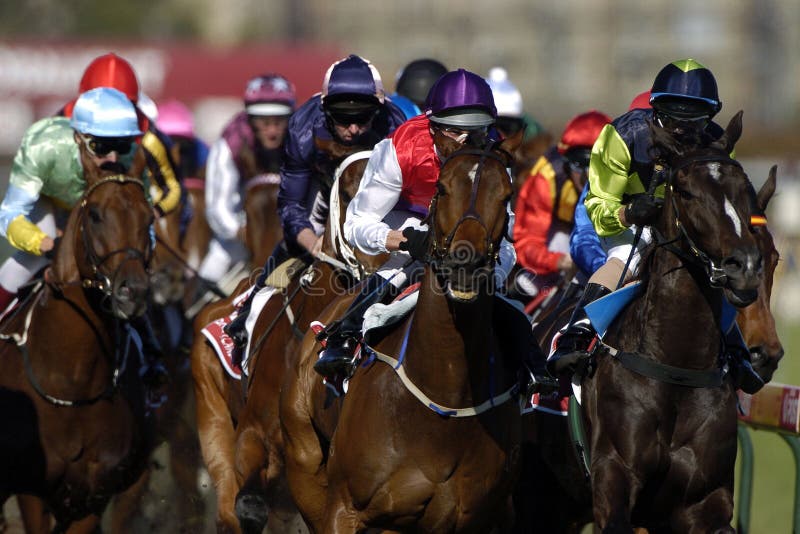
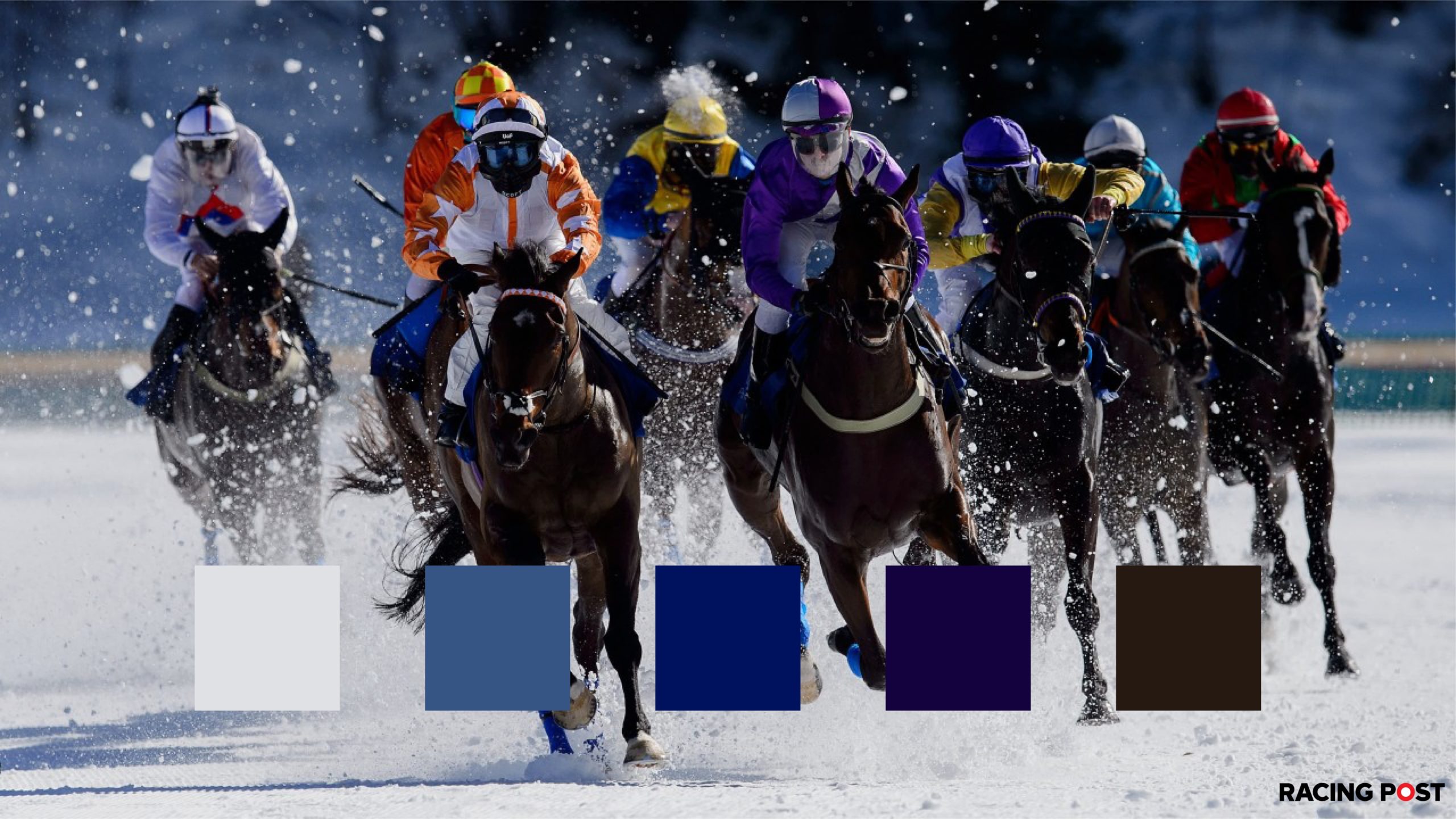
WHAT DO DIFFERENT RACING COLOURS MEAN? Unique racing silks and colours are used to represent a horse's owner and to allow race commentators and spectators to easily differentiate between racehorses. Most often selected and designed by the horse's owner, silks can be made up of a wide variety of colours and can also incorporate various shapes into their design, with patterns involving.
As someone deeply involved in horse racing and breeding, I've come to understand the importance of thoroughbred colors. These colors aren't just for show; they play a key role in racing, breeding, and registration. In this article, we'll dive into the colorful world of thoroughbreds.
What do different racing colours mean? Unique racing silks and colours are used to represent a horse's owner and to allow race commentators and spectators to easily differentiate between racehorses. What color horse wins the most? The most desirable horse color is bay, followed by chestnut, dark brown, and black.
While we most commonly see Thoroughbreds in the traditional colors like grey, bay and chestnut, the Thoroughbred gene pool carries a variety of colorful genes. Thoroughbreds also carry genes for cream (palomino, cremello, buckskin, perlino, smoky black and smoky cream), frame overo, splash white, sabino, dominant white, manchado and rabicano. While most of these colorful Thoroughbreds.
Pin By Mallory M On Rare Colored Race Horses | Horses, Animals, Horse Racing

Did you ever wonder why jockeys and harness drivers wear such vibrant, colorful uniforms? Horse racing, an ancient sport, dates back to the Greek and Roman Empires when chariot racing was a favorite spectator sport and became part of the early Olympic Games in Greece. The first mention of colors dates back to Roman chariot drivers who wore colorful jackets to better identify themselves as they.
As someone deeply involved in horse racing and breeding, I've come to understand the importance of thoroughbred colors. These colors aren't just for show; they play a key role in racing, breeding, and registration. In this article, we'll dive into the colorful world of thoroughbreds.
horseOlogy shares the most common colors and markings for thoroughbreds. What is your favorite color combination?
What do different racing colours mean? Unique racing silks and colours are used to represent a horse's owner and to allow race commentators and spectators to easily differentiate between racehorses. What color horse wins the most? The most desirable horse color is bay, followed by chestnut, dark brown, and black.
70 Rare Colored Race Horses Ideas | Horses, Horse Racing, Thoroughbred

Learn about the common colors and markings of Thoroughbreds, the elegant and swift racehorse breed. Explore the distinct characteristics that set them apart.
As someone deeply involved in horse racing and breeding, I've come to understand the importance of thoroughbred colors. These colors aren't just for show; they play a key role in racing, breeding, and registration. In this article, we'll dive into the colorful world of thoroughbreds.
In this article, we have explored the world of Thoroughbred horse colors, from the science behind their pigmentation to the history of color classification. We have also discussed the significance of coat color in horse breeding and racing, and highlighted the most common and rarest coat colors in Thoroughbred horses.
WHAT DO DIFFERENT RACING COLOURS MEAN? Unique racing silks and colours are used to represent a horse's owner and to allow race commentators and spectators to easily differentiate between racehorses. Most often selected and designed by the horse's owner, silks can be made up of a wide variety of colours and can also incorporate various shapes into their design, with patterns involving.
Race Horses With Jockeys Set. Flat Design Vector Illustration. 6 Horses In… | Horse Illustration ...

As someone deeply involved in horse racing and breeding, I've come to understand the importance of thoroughbred colors. These colors aren't just for show; they play a key role in racing, breeding, and registration. In this article, we'll dive into the colorful world of thoroughbreds.
While we most commonly see Thoroughbreds in the traditional colors like grey, bay and chestnut, the Thoroughbred gene pool carries a variety of colorful genes. Thoroughbreds also carry genes for cream (palomino, cremello, buckskin, perlino, smoky black and smoky cream), frame overo, splash white, sabino, dominant white, manchado and rabicano. While most of these colorful Thoroughbreds.
horseOlogy shares the most common colors and markings for thoroughbreds. What is your favorite color combination?
Most don't race because the breeder often gets offered a good price for them before they reach two years old, and then doesn't want to risk racing them. The majority of coloured Thoroughbreds become show horses, although there are a few that have made it to the track.
Horses Racing In A Race Track Background, Exciting Final Straight Line, Horse Racing, Frenzied ...

What do different racing colours mean? Unique racing silks and colours are used to represent a horse's owner and to allow race commentators and spectators to easily differentiate between racehorses. What color horse wins the most? The most desirable horse color is bay, followed by chestnut, dark brown, and black.
Pictures on this page and a more detailed history of Racing Silks can be found in The Benson and Hedges Book of Racing Colours, Published by the Jockeys' Assocation of Great Britain.
Did you ever wonder why jockeys and harness drivers wear such vibrant, colorful uniforms? Horse racing, an ancient sport, dates back to the Greek and Roman Empires when chariot racing was a favorite spectator sport and became part of the early Olympic Games in Greece. The first mention of colors dates back to Roman chariot drivers who wore colorful jackets to better identify themselves as they.
As someone deeply involved in horse racing and breeding, I've come to understand the importance of thoroughbred colors. These colors aren't just for show; they play a key role in racing, breeding, and registration. In this article, we'll dive into the colorful world of thoroughbreds.
Premium Photo | Artistic Horses Racing In A Group On A Racetrack

WHAT DO DIFFERENT RACING COLOURS MEAN? Unique racing silks and colours are used to represent a horse's owner and to allow race commentators and spectators to easily differentiate between racehorses. Most often selected and designed by the horse's owner, silks can be made up of a wide variety of colours and can also incorporate various shapes into their design, with patterns involving.
Most don't race because the breeder often gets offered a good price for them before they reach two years old, and then doesn't want to risk racing them. The majority of coloured Thoroughbreds become show horses, although there are a few that have made it to the track.
In this article, we have explored the world of Thoroughbred horse colors, from the science behind their pigmentation to the history of color classification. We have also discussed the significance of coat color in horse breeding and racing, and highlighted the most common and rarest coat colors in Thoroughbred horses.
Learn about the common colors and markings of Thoroughbreds, the elegant and swift racehorse breed. Explore the distinct characteristics that set them apart.
Racing 01 Stock Image. Image Of Horse, Colors, Action - 2008403
In this article, we have explored the world of Thoroughbred horse colors, from the science behind their pigmentation to the history of color classification. We have also discussed the significance of coat color in horse breeding and racing, and highlighted the most common and rarest coat colors in Thoroughbred horses.
WHAT DO DIFFERENT RACING COLOURS MEAN? Unique racing silks and colours are used to represent a horse's owner and to allow race commentators and spectators to easily differentiate between racehorses. Most often selected and designed by the horse's owner, silks can be made up of a wide variety of colours and can also incorporate various shapes into their design, with patterns involving.
While we most commonly see Thoroughbreds in the traditional colors like grey, bay and chestnut, the Thoroughbred gene pool carries a variety of colorful genes. Thoroughbreds also carry genes for cream (palomino, cremello, buckskin, perlino, smoky black and smoky cream), frame overo, splash white, sabino, dominant white, manchado and rabicano. While most of these colorful Thoroughbreds.
Learn about the common colors and markings of Thoroughbreds, the elegant and swift racehorse breed. Explore the distinct characteristics that set them apart.
70 Best Images About Rare Colored Race Horses On Pinterest | Rare Horses, Racing And Paint Horses

WHAT DO DIFFERENT RACING COLOURS MEAN? Unique racing silks and colours are used to represent a horse's owner and to allow race commentators and spectators to easily differentiate between racehorses. Most often selected and designed by the horse's owner, silks can be made up of a wide variety of colours and can also incorporate various shapes into their design, with patterns involving.
Most don't race because the breeder often gets offered a good price for them before they reach two years old, and then doesn't want to risk racing them. The majority of coloured Thoroughbreds become show horses, although there are a few that have made it to the track.
Learn about the common colors and markings of Thoroughbreds, the elegant and swift racehorse breed. Explore the distinct characteristics that set them apart.
horseOlogy shares the most common colors and markings for thoroughbreds. What is your favorite color combination?
Horse Race Color - Artwork Royalty Free Vector Image

While we most commonly see Thoroughbreds in the traditional colors like grey, bay and chestnut, the Thoroughbred gene pool carries a variety of colorful genes. Thoroughbreds also carry genes for cream (palomino, cremello, buckskin, perlino, smoky black and smoky cream), frame overo, splash white, sabino, dominant white, manchado and rabicano. While most of these colorful Thoroughbreds.
In this article, we have explored the world of Thoroughbred horse colors, from the science behind their pigmentation to the history of color classification. We have also discussed the significance of coat color in horse breeding and racing, and highlighted the most common and rarest coat colors in Thoroughbred horses.
Did you ever wonder why jockeys and harness drivers wear such vibrant, colorful uniforms? Horse racing, an ancient sport, dates back to the Greek and Roman Empires when chariot racing was a favorite spectator sport and became part of the early Olympic Games in Greece. The first mention of colors dates back to Roman chariot drivers who wore colorful jackets to better identify themselves as they.
WHAT DO DIFFERENT RACING COLOURS MEAN? Unique racing silks and colours are used to represent a horse's owner and to allow race commentators and spectators to easily differentiate between racehorses. Most often selected and designed by the horse's owner, silks can be made up of a wide variety of colours and can also incorporate various shapes into their design, with patterns involving.
70 Best Images About Rare Colored Race Horses On Pinterest | Rare Horses, Racing And Paint Horses

Pictures on this page and a more detailed history of Racing Silks can be found in The Benson and Hedges Book of Racing Colours, Published by the Jockeys' Assocation of Great Britain.
Learn about the common colors and markings of Thoroughbreds, the elegant and swift racehorse breed. Explore the distinct characteristics that set them apart.
In this article, we have explored the world of Thoroughbred horse colors, from the science behind their pigmentation to the history of color classification. We have also discussed the significance of coat color in horse breeding and racing, and highlighted the most common and rarest coat colors in Thoroughbred horses.
While we most commonly see Thoroughbreds in the traditional colors like grey, bay and chestnut, the Thoroughbred gene pool carries a variety of colorful genes. Thoroughbreds also carry genes for cream (palomino, cremello, buckskin, perlino, smoky black and smoky cream), frame overo, splash white, sabino, dominant white, manchado and rabicano. While most of these colorful Thoroughbreds.
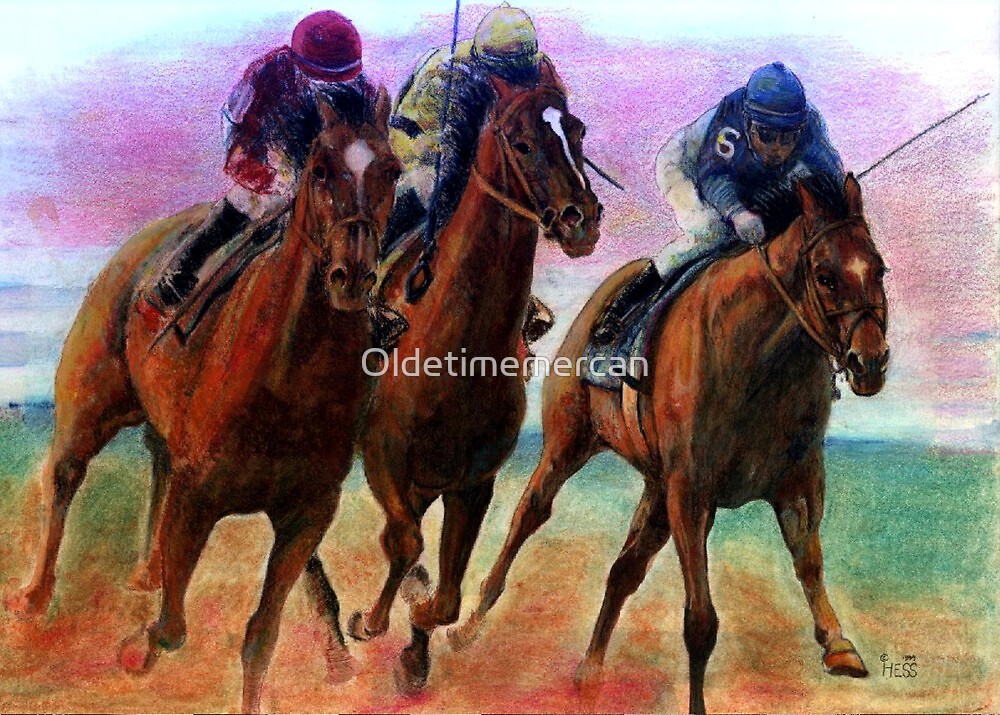
"Thoroughbred Racehorse Racing Colors" By Oldetimemercan | Redbubble
Pictures on this page and a more detailed history of Racing Silks can be found in The Benson and Hedges Book of Racing Colours, Published by the Jockeys' Assocation of Great Britain.
While we most commonly see Thoroughbreds in the traditional colors like grey, bay and chestnut, the Thoroughbred gene pool carries a variety of colorful genes. Thoroughbreds also carry genes for cream (palomino, cremello, buckskin, perlino, smoky black and smoky cream), frame overo, splash white, sabino, dominant white, manchado and rabicano. While most of these colorful Thoroughbreds.
horseOlogy shares the most common colors and markings for thoroughbreds. What is your favorite color combination?
Learn about the common colors and markings of Thoroughbreds, the elegant and swift racehorse breed. Explore the distinct characteristics that set them apart.
In this article, we have explored the world of Thoroughbred horse colors, from the science behind their pigmentation to the history of color classification. We have also discussed the significance of coat color in horse breeding and racing, and highlighted the most common and rarest coat colors in Thoroughbred horses.
What do different racing colours mean? Unique racing silks and colours are used to represent a horse's owner and to allow race commentators and spectators to easily differentiate between racehorses. What color horse wins the most? The most desirable horse color is bay, followed by chestnut, dark brown, and black.
Did you ever wonder why jockeys and harness drivers wear such vibrant, colorful uniforms? Horse racing, an ancient sport, dates back to the Greek and Roman Empires when chariot racing was a favorite spectator sport and became part of the early Olympic Games in Greece. The first mention of colors dates back to Roman chariot drivers who wore colorful jackets to better identify themselves as they.
Pictures on this page and a more detailed history of Racing Silks can be found in The Benson and Hedges Book of Racing Colours, Published by the Jockeys' Assocation of Great Britain.
Winning Colors In Horse Racing - Horse Science News

What do different racing colours mean? Unique racing silks and colours are used to represent a horse's owner and to allow race commentators and spectators to easily differentiate between racehorses. What color horse wins the most? The most desirable horse color is bay, followed by chestnut, dark brown, and black.
Did you ever wonder why jockeys and harness drivers wear such vibrant, colorful uniforms? Horse racing, an ancient sport, dates back to the Greek and Roman Empires when chariot racing was a favorite spectator sport and became part of the early Olympic Games in Greece. The first mention of colors dates back to Roman chariot drivers who wore colorful jackets to better identify themselves as they.
As someone deeply involved in horse racing and breeding, I've come to understand the importance of thoroughbred colors. These colors aren't just for show; they play a key role in racing, breeding, and registration. In this article, we'll dive into the colorful world of thoroughbreds.
While we most commonly see Thoroughbreds in the traditional colors like grey, bay and chestnut, the Thoroughbred gene pool carries a variety of colorful genes. Thoroughbreds also carry genes for cream (palomino, cremello, buckskin, perlino, smoky black and smoky cream), frame overo, splash white, sabino, dominant white, manchado and rabicano. While most of these colorful Thoroughbreds.
70 Rare Colored Race Horses Ideas | Horses, Horse Racing, Thoroughbred

horseOlogy shares the most common colors and markings for thoroughbreds. What is your favorite color combination?
Did you ever wonder why jockeys and harness drivers wear such vibrant, colorful uniforms? Horse racing, an ancient sport, dates back to the Greek and Roman Empires when chariot racing was a favorite spectator sport and became part of the early Olympic Games in Greece. The first mention of colors dates back to Roman chariot drivers who wore colorful jackets to better identify themselves as they.
In this article, we have explored the world of Thoroughbred horse colors, from the science behind their pigmentation to the history of color classification. We have also discussed the significance of coat color in horse breeding and racing, and highlighted the most common and rarest coat colors in Thoroughbred horses.
As someone deeply involved in horse racing and breeding, I've come to understand the importance of thoroughbred colors. These colors aren't just for show; they play a key role in racing, breeding, and registration. In this article, we'll dive into the colorful world of thoroughbreds.
Horse Race Color Illustration - Vector Artwork Stock Vector Image & Art - Alamy
Learn about the common colors and markings of Thoroughbreds, the elegant and swift racehorse breed. Explore the distinct characteristics that set them apart.
In this article, we have explored the world of Thoroughbred horse colors, from the science behind their pigmentation to the history of color classification. We have also discussed the significance of coat color in horse breeding and racing, and highlighted the most common and rarest coat colors in Thoroughbred horses.
While we most commonly see Thoroughbreds in the traditional colors like grey, bay and chestnut, the Thoroughbred gene pool carries a variety of colorful genes. Thoroughbreds also carry genes for cream (palomino, cremello, buckskin, perlino, smoky black and smoky cream), frame overo, splash white, sabino, dominant white, manchado and rabicano. While most of these colorful Thoroughbreds.
As someone deeply involved in horse racing and breeding, I've come to understand the importance of thoroughbred colors. These colors aren't just for show; they play a key role in racing, breeding, and registration. In this article, we'll dive into the colorful world of thoroughbreds.
Learn about the common colors and markings of Thoroughbreds, the elegant and swift racehorse breed. Explore the distinct characteristics that set them apart.
horseOlogy shares the most common colors and markings for thoroughbreds. What is your favorite color combination?
WHAT DO DIFFERENT RACING COLOURS MEAN? Unique racing silks and colours are used to represent a horse's owner and to allow race commentators and spectators to easily differentiate between racehorses. Most often selected and designed by the horse's owner, silks can be made up of a wide variety of colours and can also incorporate various shapes into their design, with patterns involving.
Most don't race because the breeder often gets offered a good price for them before they reach two years old, and then doesn't want to risk racing them. The majority of coloured Thoroughbreds become show horses, although there are a few that have made it to the track.
Did you ever wonder why jockeys and harness drivers wear such vibrant, colorful uniforms? Horse racing, an ancient sport, dates back to the Greek and Roman Empires when chariot racing was a favorite spectator sport and became part of the early Olympic Games in Greece. The first mention of colors dates back to Roman chariot drivers who wore colorful jackets to better identify themselves as they.
In this article, we have explored the world of Thoroughbred horse colors, from the science behind their pigmentation to the history of color classification. We have also discussed the significance of coat color in horse breeding and racing, and highlighted the most common and rarest coat colors in Thoroughbred horses.
Pictures on this page and a more detailed history of Racing Silks can be found in The Benson and Hedges Book of Racing Colours, Published by the Jockeys' Assocation of Great Britain.
While we most commonly see Thoroughbreds in the traditional colors like grey, bay and chestnut, the Thoroughbred gene pool carries a variety of colorful genes. Thoroughbreds also carry genes for cream (palomino, cremello, buckskin, perlino, smoky black and smoky cream), frame overo, splash white, sabino, dominant white, manchado and rabicano. While most of these colorful Thoroughbreds.
What do different racing colours mean? Unique racing silks and colours are used to represent a horse's owner and to allow race commentators and spectators to easily differentiate between racehorses. What color horse wins the most? The most desirable horse color is bay, followed by chestnut, dark brown, and black.
As someone deeply involved in horse racing and breeding, I've come to understand the importance of thoroughbred colors. These colors aren't just for show; they play a key role in racing, breeding, and registration. In this article, we'll dive into the colorful world of thoroughbreds.